OpenAI Acquired Patents from Altman-Backed AI Chip Startup Following Failed Acquisition
Resumo
OpenAI adquiriu patentes da startup de chips Rain AI, fundada em 2017 e apoiada pelo investidor Sam Altman, após a empresa falhar em encontrar comprador; OpenAI havia assinado carta de intenção para comprar chips da Rain por US$ 51 milhões, mas nunca concretizou a compra.
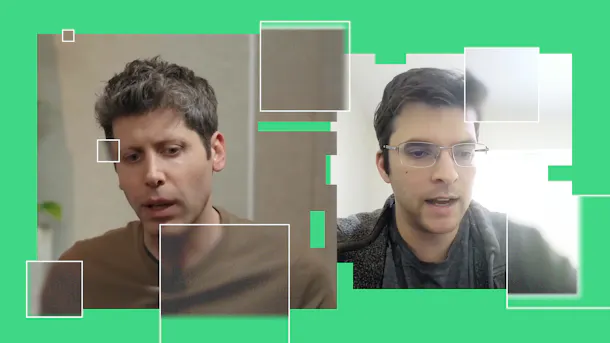
There’s no question that some of the companies OpenAI CEO Sam Altman has invested in—like chipmaker Cerebras and nuclear fusion firm Helion Energy—have benefitted from doing business with the firm Altman leads. However, just because Altman is an investor in a startup doesn’t mean that OpenAI will be that helpful.
Take AI chip startup Rain AI, which counts Altman as an investor. The eight-year old firm all but closed its doors recently, with almost all employees leaving, after a failed effort to find a buyer. OpenAI looked but ended up buying some of Rain’s patents. That was about all OpenAI did.
To understand the history, we have to go back a bit in time. Rain was founded in 2017, aiming to develop a new kind of chip. Its patents give a sense of its ambitions: the patents focused on how to do AI computations closer to a chip’s memory, rather than shuttling data between separate memory and processing units, which can be slower and more power-intensive, according to a person briefed on the decision and patent filings.
Altman invested in a seed round in 2018. The year after that, OpenAI signed a nonbinding letter of intent with Rain AI to spend $51 million on the startup’s chips when they became available. But OpenAI never ended up buying any of those chips because the agreement was predicated on a successful pilot of the chips, said a person with knowledge of the agreement.
Last February, Rain AI ran into trouble fundraising and began to explore potential sale options or selling its intellectual property or talent, two people with knowledge of the discussions said. Rain began having conversations with OpenAI staffers including Richard Ho, then OpenAI’s head of hardware, they said.
Ho told Rain executives that he wasn’t interested in the company’s intellectual property, which meant OpenAI didn’t want to do an acquisition, but could be interested in its talent, the people said. Rain executives were then told to put every Rain employee into a spreadsheet, rank them and lay out their strengths and weaknesses, the people said.
OpenAI didn’t end up pursuing the hires, and Rain AI ended up laying off nearly all its employees in June 2025, the person said. A few months later, despite saying it wasn’t interested in the IP, OpenAI acquired a number of patents from the defunct chip startup, the people said. (It couldn’t be learned how much they paid for the patents.)
Here’s what else is going on…
Earnings Report
Shopify stock jumped 17% on Wednesday after the ecommerce software service reported better than projected 34% revenue growth for the second quarter. While the growth rate was in line with Shopify’s first quarter, the company had projected revenue growth would slow to the “high twenties” in percentage terms. Shopify president Harley Finkelstein said AI search was “particularly helpful to some of the smaller brands,” which make up most of Shopify's merchant base.
Figma’s stock fell around 15% Wednesday in after-hours trading after the company announced a leadership shakeup and projected revenue growth would decelerate in the September quarter. Figma CEO Dylan Field said in a call with investors that chief marketing officer Sheila Vashee would be departing, while chief product officer Yuhki Yamashita “has decided to close his pigment chapter and take extended time off.”
People on the Move
Google announced major changes to its artificial intelligence operations, with Demis Hassabis stepping aside as Google DeepMind’s chief executive to become its chairman and longtime AI scientist and executive Jeff Dean leaving the company to co-found a startup.
Srini Tallapragada, 14-year Salesforce veteran who has served as president and chief engineering officer since 2019, is stepping down to serve as an advisor, the company revealed in a regulatory filing.
Deals and Debuts
See The Information’s Generative AI Database for an exclusive list of private companies and their investors.
Mirendil, which aims to build AI that can do AI research, signed a multi-year partnership with Google Cloud to get compute worth upwards of $100 million, TechCrunch reported.
Aurelius Systems, a startup that develops AI-powered laser weapons, raised $40 million in a Series A funding round led by Draper Associates and KAS Venture Partners.
WindBorne Systems, a company that forecasts the weather using a fleet of more than 600 self-flying, long-duration balloons that feed data into its own AI prediction models, raised $37 million in a Series B funding round led by Khosla Ventures and Galvanize.
Sapiom, a startup whose software helps companies build and run AI agents more cheaply, raised $35 million in a Series A funding round led by Dragonfly.
Wordsmith, a startup that sells AI software for companies’ in-house legal teams, raised $14 million in a Series B extension funding round led by Intact Private Capital.
Mitti Labs, a startup that combines satellite radar imagery with AI to help rice farmers use less water and cut the methane their fields release, raised $9.5 million in a Series A funding round led by Aramco Ventures.
Pinegap, a startup whose AI software writes stock-research reports for professional investors, raised $8 million in a Series A funding round led by Stellaris Venture Partners.
Proxy Foods AI, a startup whose AI software helps food, beverage and ingredient companies develop and formulate new products, raised $6 million in a seed funding round led by Ted Leonsis.
FuVeX, a startup that offers long-range drones for both civilian and military use, raised €3 million (about $3.3 million) from investors including SODENA, SEGO Venture and Izertis Ventures.
Relu, a startup whose AI software automates the design and paperwork behind dental-lab products, raised $1.75 million in a seed funding round led by the Dental Innovation Alliance.
Meta Platforms unveiled a new coding model, Muse Code, on Wednesday alongside its latest AI model, Muse Spark 1.2.
Adobe announced a plugin in ChatGPT to make it easier for ChatGPT users to create images, videos designs and documents in the chatbot.
New From Our Reporters


Recommended Newsletter
Stay ahead of the AI infrastructure wars. Ann Davis Vaughan covers how tech titans are disrupting the energy sector and becoming accidental industrial giants to compete on the AI model battlefield. Subscribe to AI Infrastructure.
What We’re Reading
Upcoming Events
Wednesday, September 23 — AI Agenda Live SF 2026
Join us to explore the real-world shifts, new architectures, and enterprise strategies defining the next era of AI. Secure your spot today to hear directly from top minds at Google DeepMind, OpenAI, Atlassian, and more.
More detailsTuesday, October 27 — The Information’s 2026 WTF Summit
Tickets on sale now: The Information returns to Napa Valley October 27–28 to convene senior women across tech, media, and finance. Join us for two days of intimate, candid conversations with the leaders navigating today’s global shifts.
More detailsThank you for reading the AI Agenda Newsletter! I’d love your feedback, ideas and tips: stephanie@theinformation.com.
If you think someone else might enjoy this newsletter, please pass it forward or they can sign up here.